-
Find and learn all necessary information about the bus you want to buy. Read carefully customer's reviews and other test, etc.
Bus for Sale Guide
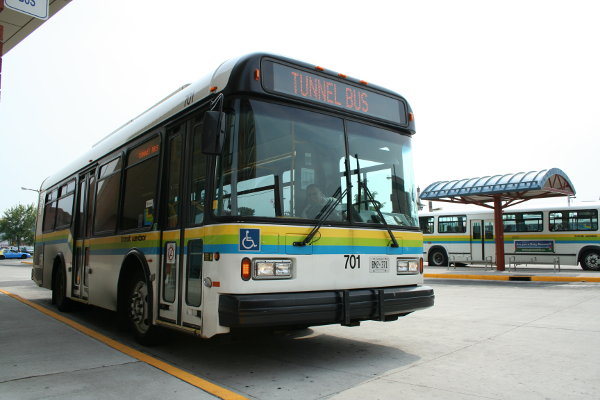
To select the bus you need after you have decided on the objectives of the use of the vehicle. Today, there is a variety of classifications of this technique. And to choose among such a wide range is not as simple as it may seem. If you are choosing your first bus, then Bus for Sale Guide is exactly what you need as you are going to get help at all three stages: finding the best match tailored to your needs, choosing among the most suitable options and finally buying the bus at a reasonable price. Just follow the instructions you are offered here and you are 100% guaranteed to make the successful purchase you will never regret.
First of all, it is necessary to weigh all pros and cons when you are considering the definite platform. Before you choose the bus that is able to meet all your requirements, you are recommended to find out more about all pluses and minuses it has. The first step on the way to your purchase is to learn which types of buses exist in order to have a clear picture of what type you need now. Read more information about the type, which seems to be perfect for aims you have at the moment. Each type of buses has its peculiarities: church transportation, recreational bus, live aboard unit, tour bus, etc. There are many bus types to choose from depending on the purpose you have.
 Before you buy a bus, you are recommended to get acquainted with the Seven Commandments for buying a bus, where you will learn the strategy, which will be rather useful for saving money. Besides this strategy, many customers find it helpful to visit the websites of state transportation.
One more way to make a purchase you will be completely satisfied with is to turn to experienced brokers and professional salesmen. Choose only those, whose reputation is impeccable. Used bus dealers can also help to find the good bus for you at a reasonable price as buying them wholesale they sell them at lower prices compared to those street offers you may find.
It doesn't matter who you buy from you should keep in mind a lot of things before you take the final decision. As it has already been mentioned the first thing you need to consider is the type of a bus you need. After you have chosen the one you need, the next thing to think about is your budget with LoansBadCreditUSA. Naturally the technical equipment will be of great importance in the selection of any vehicle as it is very unprofitable to use the bus that will often break down.
In no case you must not buy the first available bus. Be sure to pay attention to the brand of equipment. In the event that you will choose a bus of an unknown brand, you will need to assess its quality before you make up your mind to get it. To do this, have a look at technology from the driver's side and from the side of a passenger. This is necessary to check if you feel comfortable.
When choosing a bus you should take into account all factors. You may also find the governments list of state transportation websites helpful. It refers to a comfortable interior, fuel economy, ride, speed. All this should be related to the cost as well. Get familiar with the layout of the bus. Thus, for the flat terrain it will be wiser to purchase the low-floor models. They have no stairs and therefore it is much more convenient for passengers to go to the salon.
A good idea is to look for a bus at the auction as sometimes agencies sell them only because they have a rule not to keep buses after they are 5 years old or if they have already driven over 200 thousand miles. It means that visiting an auction can be the great way to find a pretty good deal.
Remember that if your budget is tight it is better to save on cosmetics than on foundation as nobody cares what material of seats the bus has. In case you have found a bus at an auction or in the inventory list of used buses, you should pay attention to the following things:
- Original paperwork,
- Service records,
- Repair receipts.
All these documents will help you understand the real value of the vehicle in order not to have any problems with it in the future.
Once you have decided on the working conditions and route technology, pay attention to the length and cabin capacity. This is a very important factor. There are small buses, medium and large ones.
Before you invest money in the bus, it is necessary to pay attention to such things as:
- Rust: don't think that if the bus is not an expensive one and the rust is small then it is a good deal. Rust can't disappear, vice versa it will grow. Take this into account while choosing the drug with a little rust on the bus surface.
- Service records: you need to check out the term of engine rebuild, especially if buy from the middleman.
- Leaks: Check out if there are any leaks present.
- Engines: if there is such a possibility, choose the biggest one.
- Transmissions: check out transmission systems before you give a preference to the certain bus.
And don't forget about the test drive. This will give the opportunity to feel the car, how the cabin is comfortable and easy in operation.
Step by step guide